Is This Even Real??
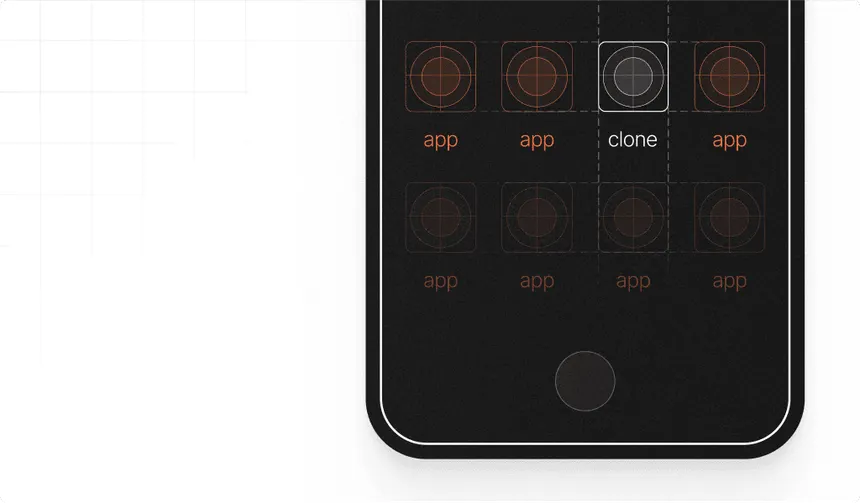
Yep. It’s real. Someone wrote a plugin that allows AI agents to use decompiling tools (even one released by the NSA!) to reveal the source code of an app of game, then reassemble a convincing – and sometimes exact – clone of the app. There has been a TON of buzz surrounding this in the past week or so…
Benign uses: someone made a Tony Hawk Pro Skater X Call of Duty crossover (just for fun). I saw an FPS in Skyrim’s world. One guy got ticked off at Adobe’s cancellation fees, so he made an open-source Adobe Creative Suite of apps and released them for free as an alternative. They’re very “alpha versions, ” with bugs and incomplete features, but already incredible tools!
Scary stuff: Chinese developers are downloading game demos, decompiling them, unlocking locked features, and releasing entire unreleased / in development indie games for FREE (adding in ads to make money).
Wait…what!?!?
Reverse Engineering
The concept has been around since the dawn of civilization. One guy invents a bigger stick; the other guys need one, too – so they copy it. For my generation, it was bootleg cassettes and movies. You could go to any flea market or street vendor and find convincing duplicates of $15 – $20 media for $3 – $10. I was around for Napster / Kazaa / Hotline / BitTorrent…
These days, it plays out in most everything we buy: the $500 red tool that costs $150 when it’s a blue color…identical, possibly even made in the same factory, different name plate.
It’s happened with software before, but not to the extent we’re seeing now.
Cracked software is nothing new…what’s changed?
That one is simple: AI. Before, it took a talented person (or team) weeks / months to decompile, break, and reassemble an app. Thanks to copyright laws and draconic enforcement, the only real reward for these folks was fame. Groups competed to be the first to release an unlocked copy. With no monetary gain, folks did the difficult work to test their skills or gain notoriety in the scene.
Now, anyone with enough tokens in their AI plan can prompt and copy anyone’s work – and make money doing it.
As an Indie Dev, It Scares the Hell Out of Me
This is the one that scares me. Take a look at this video from Lost Relic Games, an Indie working on his game Blood and Mead.
First off, I know a lot of content on YouTube trends toward “worst case” hyperbole. Indie devs are all a little scared of what AI brings to someone with a lack of morals and the will to use it. We’re betting our futures on people loving something that takes us month / years to create!
Along comes someone who just wants to be the first to release your game, use your work without permission…or worst case – steal, unlock, release, and monetize your game.
My Biggest Fear in All of This?
I work on Barn Brawl in my spare time – while I hope someday that Game Development will pay the bills, that day isn’t here yet. My progress is slow, and I refuse to “let AI do it for me.” I want to understand my code, tweak my artwork / gameplay, and deliver an experience that reflects my vision for the game.
This means I’ll deliver a more polished, authentic, and quality experience…and that I’ll be able to fix and maintain it.
But it also leaves me vulnerable. The moment I release my idea, someone might clone it and beat me to market. Even if I had the cash to shut them down, the damage is done – my idea isn’t “new” or “unique” anymore. Showing my age here: Betamax was superior to VHS tape in every way…but VHS came out first, and that was all that mattered.
Just make the BEST version of your game…the fakes won’t be as good, and gamers will know the difference!
That’s my hope – and really all I can do at this point. I don’t like draconian DRM (and couldn’t afford it anyway); I think that once you buy a piece of software, it should be yours. Locks are always picked, and I’d rather spend my time making compelling games.
I just hope that, in spite of all this tech, that my game makes enough to justify doing this full-time. I find myself getting angry when “work gets in the way” of my coding sessions, especially when I spend much of my 8-5 day in meetings that could have been emails, or watching groups of people afraid to make decisions that might end up “their fault” if things don’t go as planned.
What I Worked On This Week:
Game Sessions! The app now has the ability to configure, launch, and track the entire lifecycle of a game. I’ve got stubs ready for the various modes, which I can flesh out as I develop them. For now, I’m focused on delivering the core game experience: brawl level + Minigame (repeat).
This was hardcoded into the SEGE Demo: 1 brawl, 1 minigame, results. The new system runs independent of game mode and enables game length adjustments, online play, and makes it easier to sync the state over the network. It should enable host swaps and keep the game running even if the host lags or loses connection. It’s still early for that, but I’m designing future-forward!
Once the launcher is complete, it’s time to finish up the bot programming so you can play a 4 or 8 player game regardless of how many players are on your couch or connected to the servers. I’ll also be working on implementing Steam’s Play Together feature…though I need to see how this behaves running alongside the already intense multiplayer simulation running through Photon Fusion.
If things go well, you’ll be able to connect a single copy of the game with a friend or two, even if you guys aren’t in the same room – not great for my bottom line, but something I think gamers deserve. Besides, players who like the game will want to play it on their own and unlock their favorite characters, mods, and costumes. No microtransactions – all play to unlock.